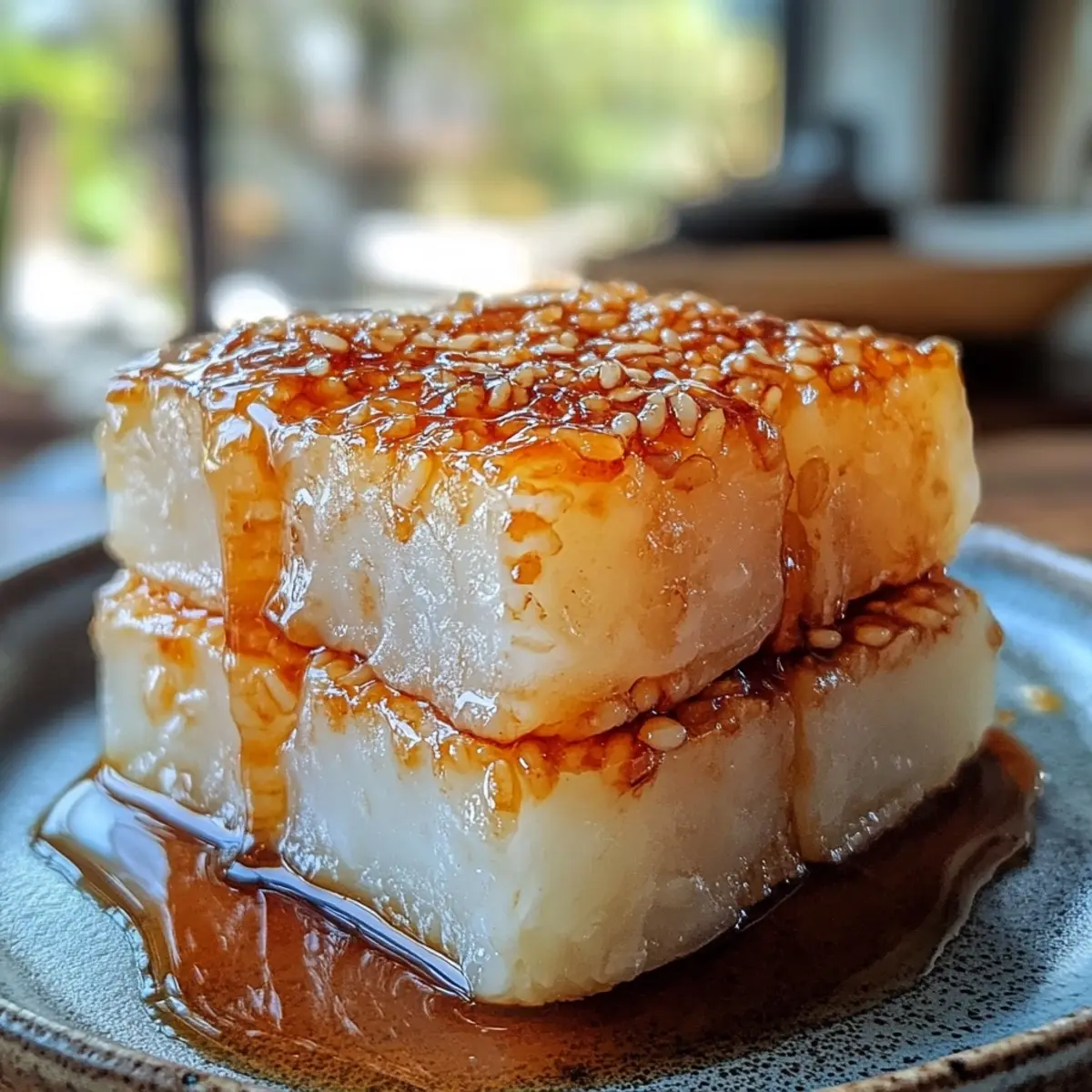
There’s a certain warmth that fills my kitchen when I make Biko, the beloved Filipino sticky rice cake. The moment the sweet aroma of brown sugar melts into creamy coconut milk, I know something special is on its way. This dish isn’t just a dessert; it’s a heartfelt nod to my culture, a treat enjoyed during celebrations and cozy afternoons alike. Perfectly chewy and utterly satisfying, Biko is gluten-free and made with simple ingredients that dance together in delightful harmony.
Jump to:
- Why Biko (Filipino Sticky Rice Cake) Excites You?
- <strong>Biko (Filipino Sticky Rice Cake) Ingredients</strong>
- How to Make Biko (Filipino Sticky Rice Cake)
- Storage Tips for Biko (Filipino Sticky Rice Cake)
- Make Ahead Options
- Expert Tips for Biko (Filipino Sticky Rice Cake)
- What to Serve with <strong>Biko (Filipino Sticky Rice Cake)</strong>?
- <strong>Biko (Filipino Sticky Rice Cake) Variations</strong>
- Biko (Filipino Sticky Rice Cake) Recipe FAQs
Whether you’re a seasoned chef or just someone who craves a break from fast food, this recipe invites you to create something truly comforting at home. Each slice is a sweet reminder of the rich culinary heritage of the Philippines, sure to impress your friends and family. Let’s dive into this easy, authentic recipe and bring a slice of joy to your dining table!
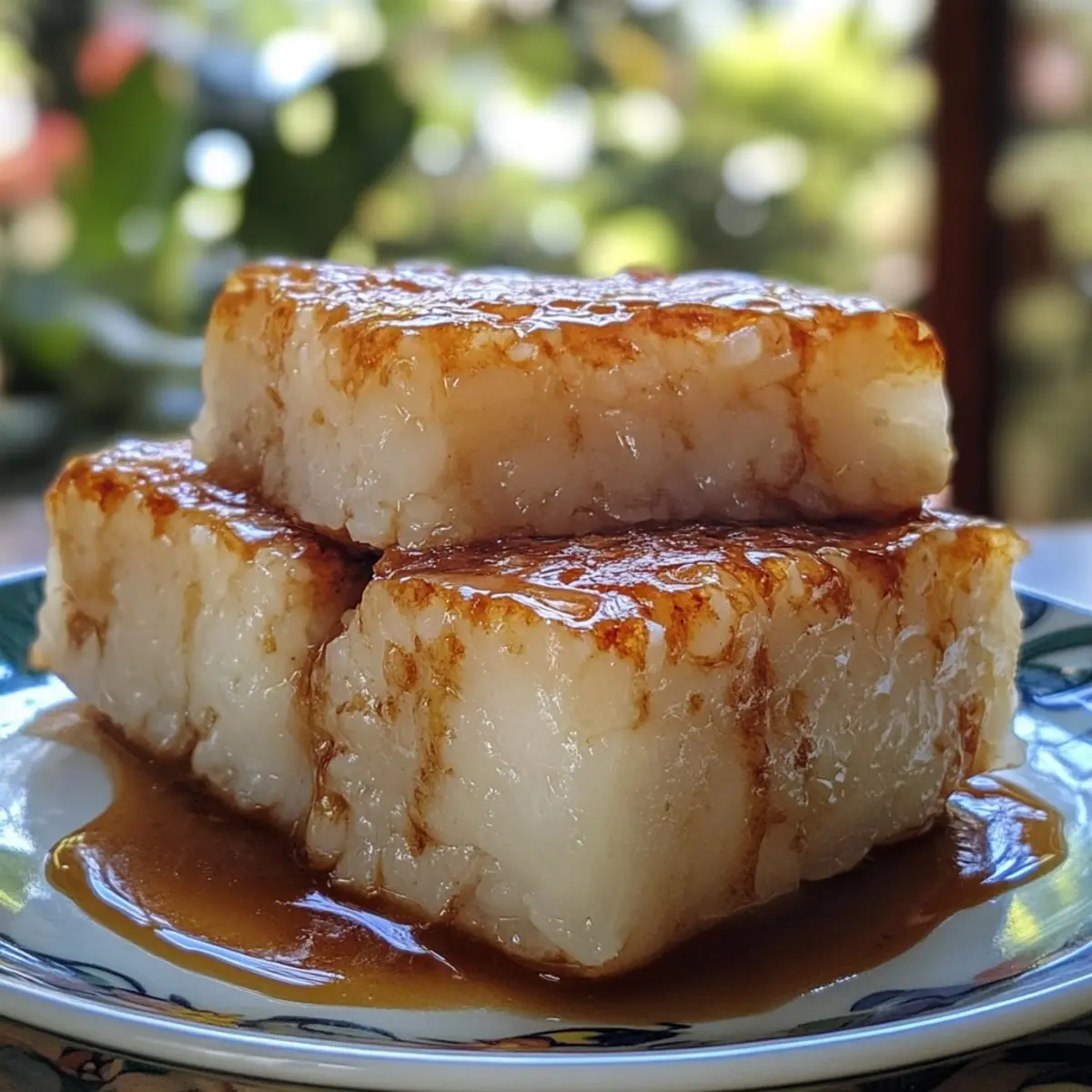
Why Biko (Filipino Sticky Rice Cake) Excites You?
Simplicity and Accessibility: This recipe uses only a handful of basic ingredients, making it easy for anyone to whip up a delicious treat at home.
Cultural Connection: With every bite, you’ll savor a piece of Filipino heritage, perfect for creating heartfelt memories during celebrations or family gatherings.
Chewy Delight: The unique texture of glutinous rice delivers a satisfying chew that pairs beautifully with the creaminess of coconut milk.
Customizable Options: Enjoy classic Biko or make it your own—add toppings like toasted coconut or fresh fruit for exciting variations.
Gluten-Free Goodness: This dessert checks the box for gluten-free diets while still being a crowd-pleaser, leaving everyone wanting more!
For a delightful twist, you might want to try pairing Biko with some fresh mango slices or whip up a savory dish like Savory Salmon Rice as a complementary meal.
Biko (Filipino Sticky Rice Cake) Ingredients
For the Rice Mixture
• Glutinous Rice – This sticky rice is essential for achieving that authentic chewy texture. Regular rice won’t work here!
• Coconut Milk – Adds a rich creaminess and flavor; for lighter options, you can use light coconut milk, but expect a slightly different taste.
• Water – Used to cook the rice; adjust for the desired tenderness of your cake.
For the Sweetness
• Brown Sugar – Provides a deep caramel sweetness; white sugar can be a substitute but may alter the color and taste of the Biko.
• Salt – Just a pinch is all you need to enhance the overall flavor profile.
For the Topping
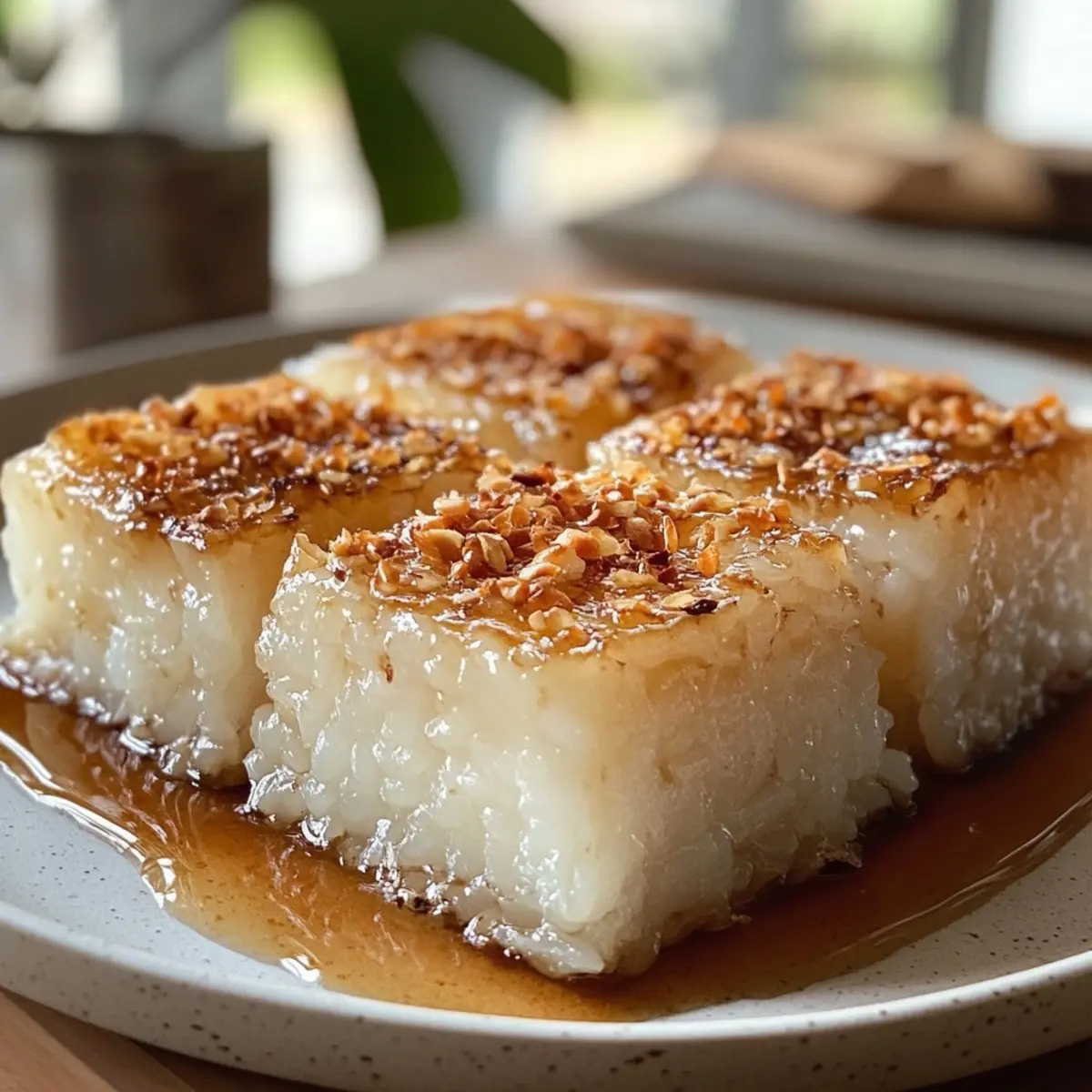
• Latik – These golden coconut curds give a lovely texture and flavor contrast; while optional, they’re highly recommended for that authentic touch!
• Optional Toppings – Consider adding toasted coconut flakes or sesame seeds for extra crunch and visual appeal.
Indulge in this delicious Biko (Filipino Sticky Rice Cake) that brings the warmth of Filipino culture right to your kitchen!
How to Make Biko (Filipino Sticky Rice Cake)
- Prepare the Rice: Rinse 2 cups of glutinous rice under cold water until the water runs clear. Soak the rice in water for 30 minutes to ensure its characteristic chewiness.
- Cook the Rice: In a medium pot, combine the soaked rice with 1 ½ cups of coconut milk and ½ cup of water. Cook over medium heat, stirring constantly until the mixture becomes tender and thick, which should take about 20 minutes.
- Add Sweetness: Stir in 1 cup of brown sugar along with a pinch of salt. Cook until the sugar is fully dissolved and the mixture achieves a thick, glossy texture, indicating it’s ready for the next step.
- Transfer and Flatten: Pour the delicious mixture into a greased baking pan. Use a spatula to smooth the top so it’s even and ready for the finishing touches.
- Make Latik: For an exquisite topping, simmer 1 cup of coconut milk in a separate pan over medium heat. Continue to cook until it reduces to golden-brown curds and oil, creating your flavorful latik.
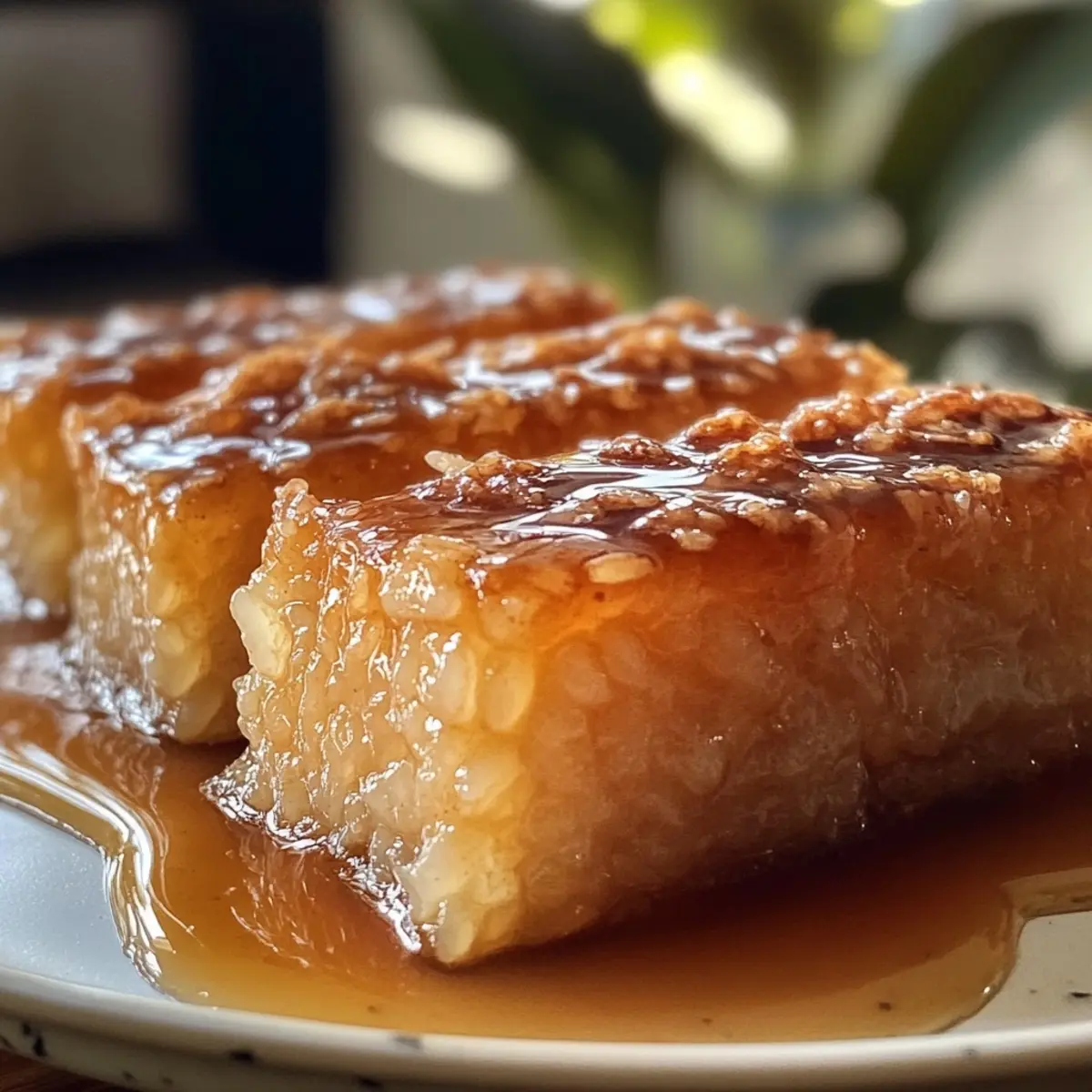
- Top and Cool: Spread the latik evenly over the Biko layer. Allow the sweet treat to cool completely before slicing, ensuring clean, perfect cuts when serving.
Optional: Drizzle with melted chocolate for an indulgent twist!
Exact quantities are listed in the recipe card below.
Storage Tips for Biko (Filipino Sticky Rice Cake)
Room Temperature: Biko is best enjoyed fresh; however, you can leave it out at room temperature for up to 2 hours before needing to refrigerate.
Fridge: Store leftover Biko in an airtight container in the fridge for up to 3 days. This will help maintain its chewy texture while keeping it fresh.
Freezer: For long-term storage, freeze portions of Biko in a freezer-safe container or wrapped tightly in plastic wrap for up to 1 month.
Reheating: To enjoy your frozen Biko, thaw it in the fridge overnight and reheat slices gently in the microwave or steam until warmed through. This ensures the delightful flavors and textures remain intact!
Make Ahead Options
Biko (Filipino Sticky Rice Cake) is a fantastic option for meal prep, allowing you to savor its delightful flavors with less hassle. You can prepare the rice mixture, including the glutinous rice, coconut milk, brown sugar, and salt, up to 24 hours in advance. Simply store the mixture in an airtight container in the refrigerator, which prevents drying and ensures it remains just as delicious. When you’re ready to serve, cook the mixture as instructed and add the latik topping fresh. This way, you get all the flavor and texture without the rush, making your preparation smooth and stress-free for busy weeknights or festive gatherings!
Expert Tips for Biko (Filipino Sticky Rice Cake)
Use Glutinous Rice: Ensure you use glutinous rice for that authentic chewy texture; regular rice won’t give you the same delight.
Precise Measurement: For the best results, be accurate with your measurements, particularly with coconut milk and sugar, as they heavily affect flavor.
Cool Before Slicing: Allow the Biko to cool completely before cutting. This prevents crumbling and ensures clean, beautiful slices that showcase your work.
Watch Latik Closely: While making latik, stir frequently and keep an eye on it; coconut milk can burn quickly, impacting overall taste.
Experiment with Toppings: Don’t hesitate to personalize your Biko; try adding toasted coconut or fresh fruit for a flavorful twist that’s all your own!
These tips will help you master the art of Biko, ensuring it’s a memorable treat you’ll want to make time and again.
What to Serve with Biko (Filipino Sticky Rice Cake)?
Delight your family with a well-rounded meal that perfectly complements the sweet, chewy goodness of Biko.
- Fresh Mango Slices: The juicy sweetness of fresh mango adds a refreshing contrast, enhancing the dessert’s tropical vibes. Serve them chilled for a delightful pairing!
- Strong Coffee: A bold cup of brewed coffee offers a robust counterpart to the sweetness of Biko, creating a beautiful harmony of flavors. It’s the perfect companion for afternoon snacking.
- Steamed Coconut Pudding: This light and creamy dessert mirrors the coconut essence in Biko, delivering a luscious texture without overpowering its rich flavors.
- Toasted Sesame Seeds: Sprinkling toasted sesame seeds on top of Biko adds a delightful crunch and nutty flavor, enriching the overall experience without being overly sweet.
- Pinoy-style Hot Chocolate: Enjoy a traditional Filipino sikwate made with pure cacao to accompany your Biko. The rich, chocolatey notes beautifully balance the dessert’s sweetness.
- Banana Chips: The slightly salty crunch of banana chips creates a wonderful textural contrast to the soft, chewy Biko, making for a satisfying snack combo.
With these pairings, you can create an inviting spread that celebrates the flavors of the Philippines, making every moment a special occasion!
Biko (Filipino Sticky Rice Cake) Variations
Feel free to play around with these delightful twists to make Biko even more to your taste!
- Tropical Touch: Add diced mango or banana on top for a refreshing, fruity contrast to the sweet, creamy base.
- Choco-Lover’s Dream: Drizzle melted dark or white chocolate over the top for a luscious extra layer of indulgence. This adds a delightful sweetness and visual appeal.
- Nutty Crunch: Sprinkle chopped nuts like cashews or almonds for a satisfying crunch that pairs beautifully with the softness of Biko. Just remember to toast them lightly for an extra flavor boost!
- Coconut Flakes: Mix in or top the Biko with toasted coconut flakes for an additional layer of flavor and texture that enhances the coconut notes.
- Spiced Version: Incorporate a pinch of cinnamon or nutmeg into the rice mixture for a warm, spiced flavor that gives this traditional dessert a cozy twist.
- Sweetened Condensed Milk: Drizzle sweetened condensed milk over the top before serving for an extra creamy layer of sweetness. It adds a luscious texture you won’t want to miss!
- Bico de Leche: For a creamy twist, try layering with a sweetened condensed milk layer halfway through cooking for a richer flavor and texture.
- Savory Spin: For a unique twist, consider mixing in a hint of sea salt or even cheese for a delicious sweet-and-salty contrast that you won’t find in traditional Biko.
Every twist opens up new culinary experiences and memories, inviting a delightful surprise with each bite!
Biko (Filipino Sticky Rice Cake) Recipe FAQs
What type of rice should I use for Biko?
Absolutely! Use glutinous rice for the best chewy texture essential in Biko. Regular rice will not yield the same delightful stickiness and flavor, so don’t substitute it for this traditional dessert.
How should I store leftover Biko?
To keep your Biko fresh and delicious, store it in an airtight container in the refrigerator for up to 3 days. It’s best served chilled or at room temperature after being refrigerated for a few hours.
Can I freeze Biko, and how?
Yes, you can freeze Biko for up to 1 month! To do this, cut it into portions and wrap each slice tightly in plastic wrap. Place the wrapped pieces in a freezer-safe container. When you’re ready to enjoy, simply thaw in the fridge overnight and reheat gently in the microwave or steam them until warmed through.
Why did my Biko turn out too dry?
If your Biko ended up dry, it may be due to not enough water or coconut milk in the cooking process. Make sure to stick to the ½ cup of water and 1 ½ cups of coconut milk as per the recipe. Additionally, ensure that when melting the sugars, you are consistently mixing to prevent any areas from overcooking.
Is Biko gluten-free?
Very much so! All ingredients in traditional Biko are gluten-free, making this dessert a safe choice for those with gluten sensitivities or celiac disease. However, always double-check your ingredient labels just to be sure!
Can I customize the toppings on my Biko?
The more the merrier! Feel free to experiment with toppings as you wish. Some of my favorites include toasted coconut flakes, sesame seeds, or even a drizzle of chocolate for a modern twist. Just remember that the recommended latik adds a delightful crunch and authenticity to the dish!
Biko (Filipino Sticky Rice Cake) Recipe FAQs
Decadent Biko: Your New Favorite Filipino Sticky Rice Cake
Equipment
- Medium Pot
- Baking Pan
- Spatula
Ingredients
For the Rice Mixture
- 2 cups glutinous rice rinsed and soaked for 30 minutes
- 1.5 cups coconut milk or light coconut milk for a lighter option
- 0.5 cups water adjust for desired tenderness
For the Sweetness
- 1 cups brown sugar or white sugar as a substitute
- 1 pinch salt to enhance the flavor
For the Topping
- 1 cup latik optional, recommended for authenticity
- optional toppings toasted coconut flakes or sesame seeds
Instructions
Cooking Instructions
- Rinse 2 cups of glutinous rice under cold water until the water runs clear. Soak the rice in water for 30 minutes to ensure its characteristic chewiness.
- In a medium pot, combine the soaked rice with 1 ½ cups of coconut milk and ½ cup of water. Cook over medium heat, stirring constantly until the mixture becomes tender and thick, approximately 20 minutes.
- Stir in 1 cup of brown sugar along with a pinch of salt. Cook until the sugar is fully dissolved and the mixture achieves a thick, glossy texture.
- Pour the mixture into a greased baking pan. Use a spatula to smooth the top.
- Simmer 1 cup of coconut milk in a separate pan over medium heat until it reduces to golden-brown curds and oil, creating your latik.
- Spread the latik evenly over the Biko layer. Allow to cool completely before slicing.
Notes